

The UK Health Security Agency (UKHSA) has released the latest monthly figures for healthcare-associated infections across England, revealing a varied trend in the fight against hospital-acquired bugs. The data, published on 8 September 2026, covers laboratory-confirmed cases reported during July 2026.
In the most recent reporting period, E. coli bacteraemia cases totalled 4,227 across the country. This represents a slight decrease of 0.5% compared to the same month in 2025. However, cases of Klebsiella spp. bacteraemia rose to 1,309, marking a 1.5% increase year-on-year.
The UKHSA monitors six key infections to track patient safety and identify emerging trends. These include MRSA, MSSA, C. difficile, and three types of Gram-negative bacteraemia. The agency continues to maintain a National Incident Response for Clostridioides difficile (C. diff) following a notable rise in rates during the 2024/25 period. In July 2026 alone, there were 1,619 reported cases of C. diff nationwide.
Local Relevance for Bognor Regis
While the data is reported at a national level, it provides important context for residents in the Bognor Regis area who use acute services provided by University Hospitals Sussex NHS Foundation Trust. The trust, which manages St Richard’s Hospital in Chichester and Worthing Hospital, operates under the national zero-tolerance policy for healthcare-associated MRSA bacteraemia.
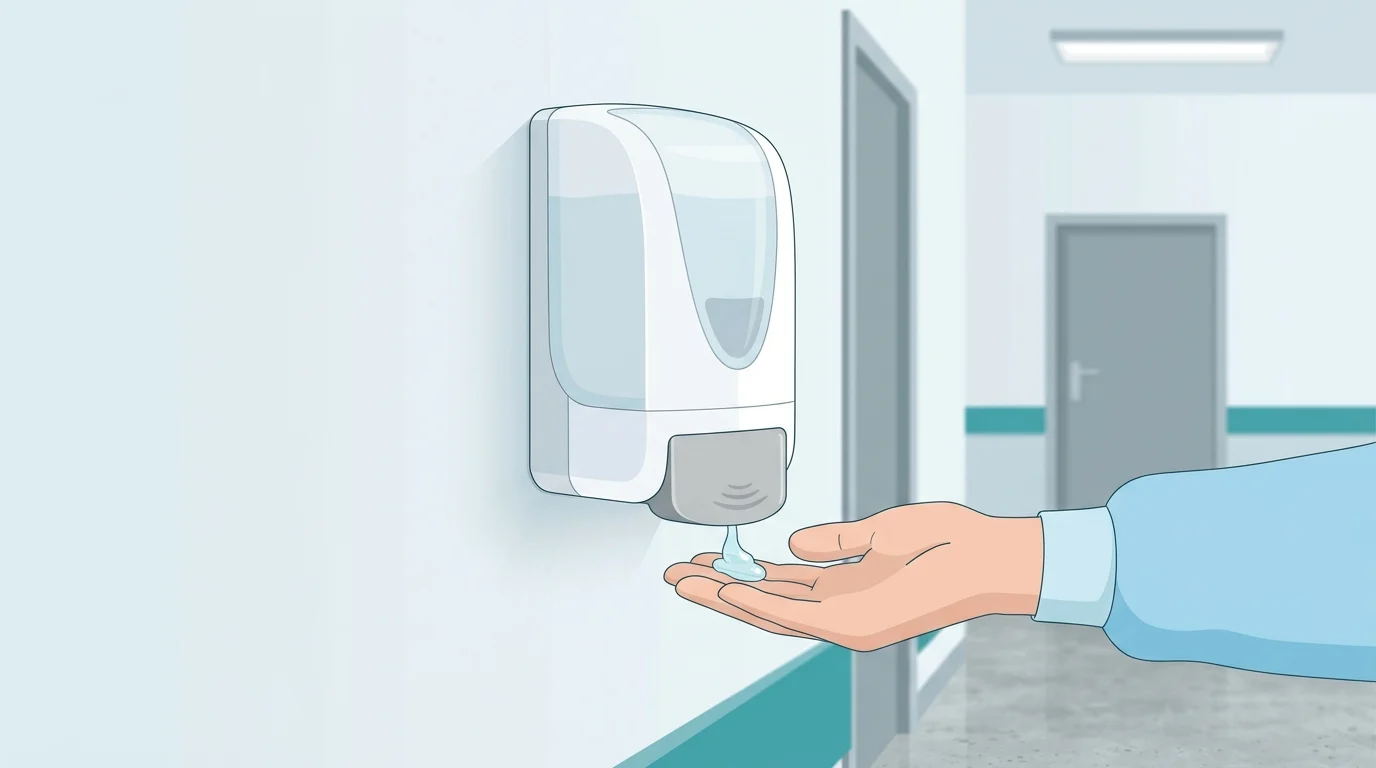
To help maintain patient safety and reduce the transmission of these infections, University Hospitals Sussex maintains strict hygiene protocols. Health officials advise that visitors must not attend hospital sites if they have experienced symptoms of diarrhoea or vomiting within the previous 48 hours. Visitors are also encouraged to use hand-washing facilities or alcohol gel stations located at the entrance to all wards and clinical areas.
The UKHSA distinguishes between hospital-onset cases—where the infection is identified after a patient has been admitted for two or more days—and community-onset cases. This distinction helps NHS trusts identify where infection control measures, such as antibiotic prescribing or cleaning regimes, need to be adjusted.
The UKHSA releases these accredited official statistics for healthcare-associated infections on a monthly basis.

