

The UK government has unveiled a new strategy that could see the state buy future trains outright rather than leasing them from private companies, marking a significant shift in how the country’s rail network is funded.
Published on 28 September 2026, the Rolling Stock and Infrastructure Strategy establishes Great British Railways (GBR) as the “single directing mind” for the network. Under the new plans, GBR will assess future train procurements on a case-by-case basis to decide whether public ownership, private leasing, or alternative financing offers the best value for money.
Transport Secretary Heidi Alexander stated that the railway should serve taxpayers and passengers rather than private leasing firms. The government aims to reduce the significant costs associated with the current model, where train leasing and maintenance services cost taxpayers and passengers more than £4 billion every year.
Research accompanying the strategy highlighted that rolling stock companies (ROSCOs) have paid out more than £2.5 billion in dividends to shareholders over the last decade. By exploring direct ownership, the government hopes to retain more of this funding for reinvestment into the network.
Standardising the network with ‘fleet families’
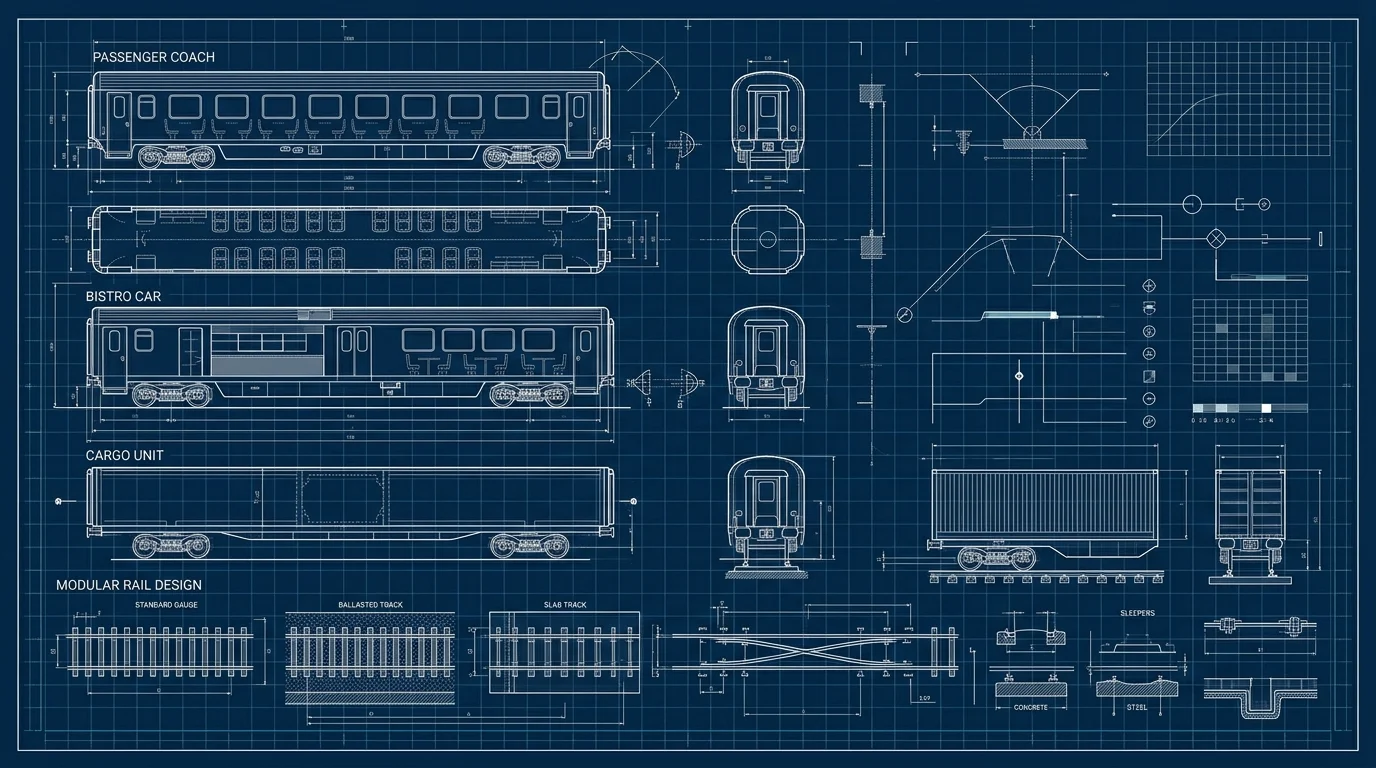
A central pillar of the new strategy is the introduction of “fleet families.” This concept aims to move away from a fragmented system of bespoke trains towards standardised designs across different regions.
The government believes this approach will provide more consistent facilities for passengers, such as uniform accessibility standards and onboard technology. It is also expected to simplify maintenance and reduce the long-term costs of spare parts and staff training.
An early example of this integrated approach was cited in the recent £1 billion deal with Alstom. The agreement covers a new fleet of battery-powered trains for the Transpennine Route Upgrade, demonstrating how specific infrastructure projects and train orders are being linked to modernise the network.
Status of existing train contracts
For passengers currently using the network, the new strategy will not result in immediate changes to the trains in service. The government has confirmed that all existing leasing arrangements will remain in place and current contracts will be honoured.
The “buy versus lease” assessment will only apply to future orders as older trains reach the end of their working lives and require replacement. This phased approach is intended to ensure service stability while transitioning to the new GBR-led model.
Great British Railways is the body tasked with overseeing this transition. While the strategy prioritises long-term savings, the government has not yet set a specific timeline for when the first entirely publicly owned fleet will enter service under the new rules.

