


New official figures reveal that the number of licensed vehicles on UK roads has reached a record 42.9 million, driven by a significant surge in electric vehicle (EV) registrations during the first half of 2026.
Data released by the Department for Transport (DfT) on 23 September 2026 shows that new vehicle registrations across the country rose by 12% year-on-year between April and June. A total of 682,000 new vehicles were registered during this second quarter, reflecting a robust period for the automotive sector as it transitions toward zero-emission targets.
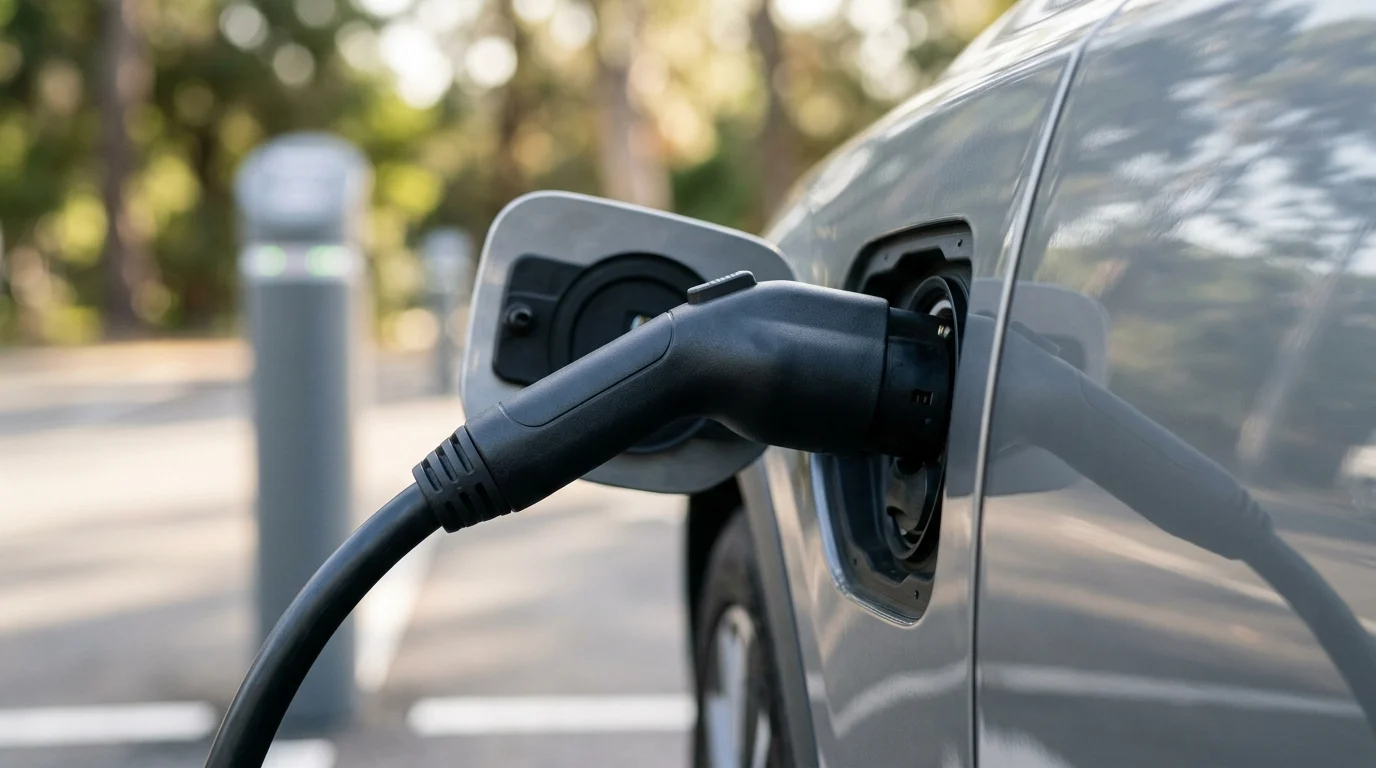
The transition to electric driving appears to be accelerating. First-time registrations of zero-emission vehicles (ZEVs) rose by 36.9% compared to the same period last year, reaching 161,000 units for the quarter. Within the car market specifically, zero-emission models accounted for 27.3% of all new registrations between April and June.

This national growth coincides with the introduction of the new ’76’ registration plate, which became available on 1 September 2026. This plate will remain the newest age identifier for vehicles until March 2027, a period typically associated with high showroom activity.
Infrastructure Impact
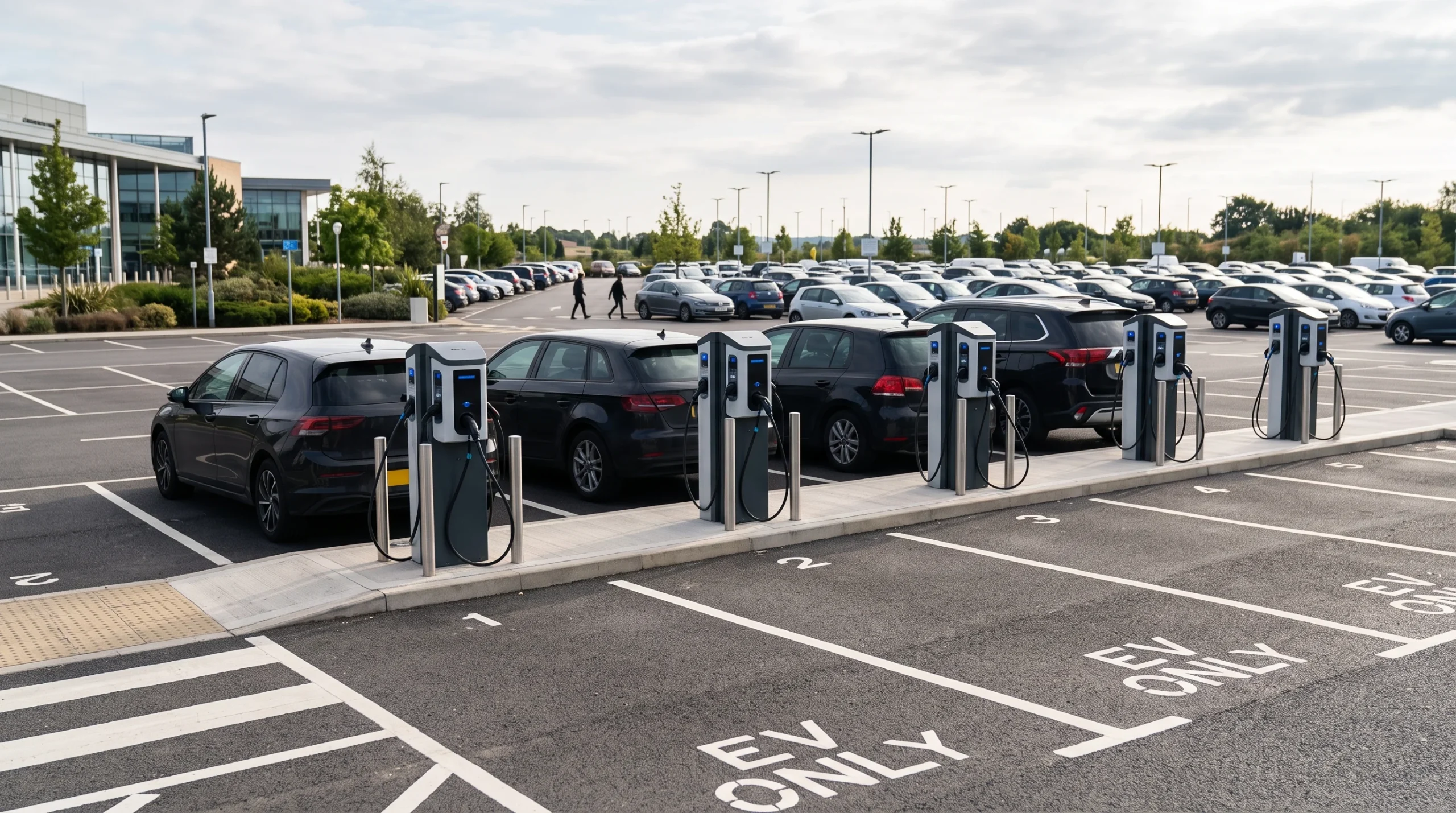
While the statistics reflect a national trend, the data is used to inform transport policy and infrastructure investment. As the total UK licensed vehicle fleet grew by 1.5% over the last 12 months to reach 42.9 million, the demand for charging infrastructure continues to be a priority for planning.
Alongside the quarterly data, the DfT updated its technical guidance for vehicle statistics to ensure continued transparency in how data is sourced from the DVLA. This guidance provides the methodology used to track the UK’s progress toward the 2035 end-of-sale date for new petrol and diesel cars.
For motorists, the figures confirm a shifting market where more than one in four new car buyers are now opting for fully electric models, supported by an expanding network of charging facilities.