



The UK government is set to announce a ban on trade with illegal Israeli settlements in the West Bank today, a move that signals a significant shift in foreign policy and carries substantial diplomatic risks.
Foreign Secretary Ed Miliband is expected to formally outline the ban on goods and services originating from these settlements in the House of Commons this afternoon, Tuesday 8 September 2026. The decision follows months of internal debate and a direct warning from Israeli officials that the move could damage bilateral relations.
The trade ban is a response to Israel’s approval of settlement expansion in the ‘E1’ zone. This specific area of the West Bank is considered a critical “red line” by the UK and much of the international community, as development there would effectively bisect the West Bank and make a future, contiguous Palestinian state unviable.
Diplomatic tensions and the ‘Trump Factor’
The timing of the announcement is particularly sensitive. On Monday, Prime Minister Andy Burnham held a phone call with US President Donald Trump to discuss the “reset” in UK-Israel relations and the government’s commitment to a two-state solution.
While the UK maintains that the ban is a legal necessity regarding occupied territory rather than a boycott of Israel itself, the policy has already sparked a fierce response from the Israeli government. Israeli Foreign Minister Gideon Saar warned: “If Britain acts against Israel, Israel will act against Britain.”

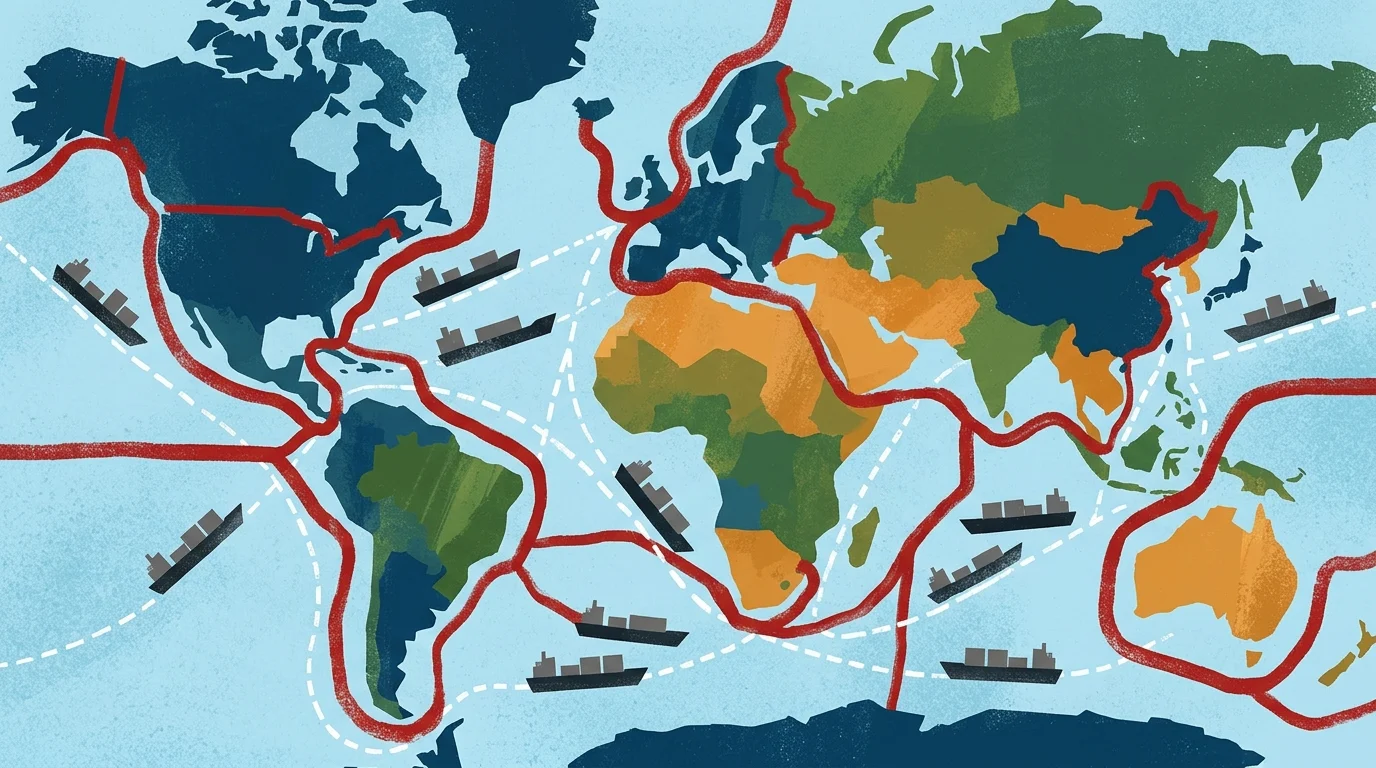
In a more unconventional retaliatory threat, Israel’s National Security Minister Itamar Ben-Gvir has called for his country to recognise the Falkland Islands as Argentine territory.
Economic and security concerns
The direct economic impact of the ban is expected to be limited. While total bilateral trade between the UK and Israel is valued at approximately £6 billion annually, the proportion of that trade linked specifically to West Bank settlements is relatively small.
However, the political and security risks are more pronounced. Shadow Foreign Secretary Tom Tugendhat has warned that the move could jeopardise national security by damaging vital intelligence-sharing agreements between the two nations.
Domestically, the timing of the shift is also being viewed through the lens of internal Labour Party politics. With the party’s annual conference due to take place in Liverpool later this month, the decision is seen by some analysts as an effort to consolidate support among the party’s left wing, which has long campaigned for tougher action on settlement expansion.
Mr Miliband is expected to address these concerns during his statement to MPs, where he is likely to reiterate that the UK remains a “close friend and ally” of Israel while maintaining that settlement activity remains illegal under international law.