


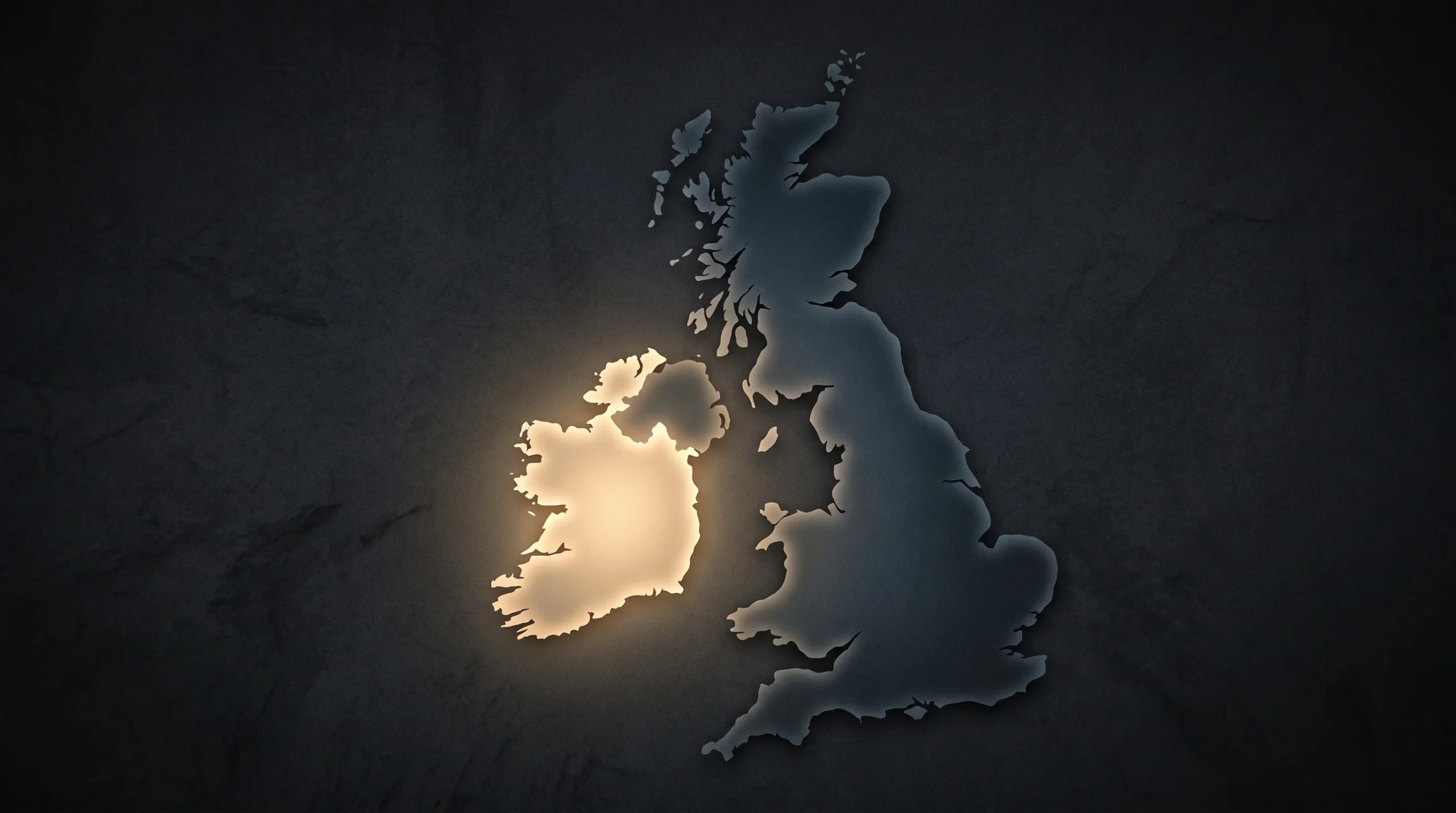
Donald Trump has abandoned decades of diplomatic neutrality on the constitutional status of Northern Ireland, using a high-profile visit to his Doonbeg resort to call for Irish reunification for the third time in 48 hours.
Speaking on 13 September 2026, the US President told reporters it would be “natural to put north and south together,” suggesting that the border between the Republic of Ireland and Northern Ireland should be removed. The comments represent a significant departure from long-standing White House policy, which has historically avoided taking a side on the “border poll” debate.
UK Government rejection
The intervention has sparked a swift response from Downing Street. Prime Minister Andy Burnham formally rejected the President’s remarks, stating that a referendum on Irish unity is currently “off the table.”
Under the terms of the 1998 Good Friday Agreement, the Secretary of State for Northern Ireland is only required to call a border poll if it appears likely that a majority of those voting would express a wish that Northern Ireland should cease to be part of the United Kingdom and form part of a united Ireland.
Mr Burnham cited current polling as evidence that the “principle of consent” for such a change has not been met, adding that the UK Government remains committed to the stability of the existing constitutional arrangements.

Whiskey tariff removal
Alongside his constitutional comments, Mr Trump announced a unilateral trade concession intended to bolster ties with the Republic. He confirmed the removal of a 15% tariff on Irish whiskey exports to the United States, a move he claimed would “make the Irish very happy.”
While the tariff removal is a direct executive action affecting trade between the US and the Republic of Ireland, it has no legal bearing on the UK’s internal trade or the Northern Ireland Protocol arrangements.
Political reaction in Northern Ireland
Despite the diplomatic friction, the US President does not hold any legal power to trigger a border poll. The authority to call such a vote remains exclusively with the UK Government, based on the specific criteria set out in international law and the 1998 peace agreement.