

Reports suggest that families across England who choose not to give their children smartphones are being hit with a “digital premium” on bus travel, as some operators restrict many significant discounts to mobile apps.
The trend reveals a growing divide between government advice to keep smartphones out of the hands of young children and the digital-only requirements of parts of the UK’s transport network. Parents are reporting that they must choose between providing their child with a smartphone or paying hundreds of pounds more in annual fares.
In one reported case in Derbyshire, a family is set to pay an additional £546 per year because a local youth discount scheme requires registration through a smartphone app. Without a compatible device to display a digital pass, children are often forced to pay standard on-bus child rates, which lack the bulk-buy savings found online.
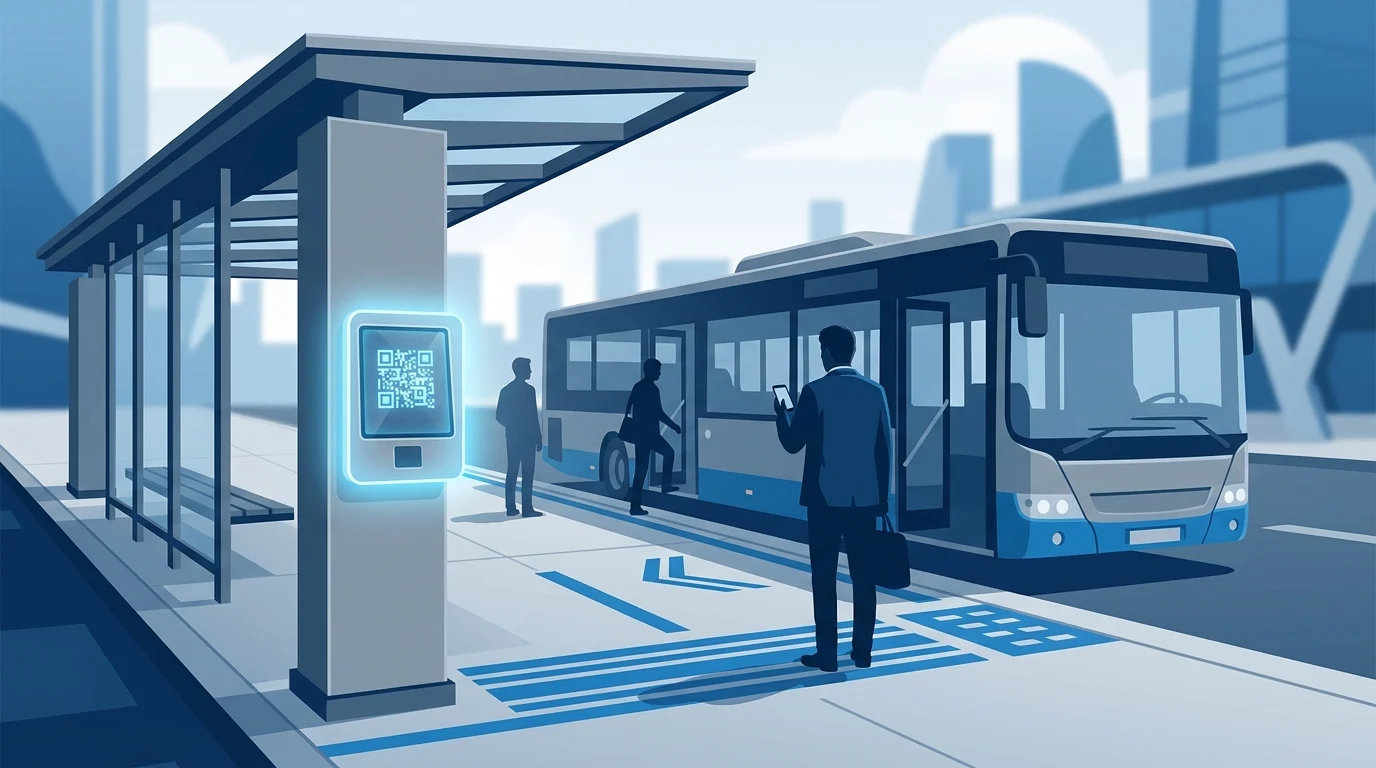
Impact on the South East
The issue is particularly relevant across the South East, where Stagecoach South implemented a regional fare increase on 20 September 2026. Many ticket options remain locked behind a digital wall.
The popular “Flexi 5” ticket bundle—which offers five days of travel for the price of four—is currently unavailable as a paper ticket and must be purchased and activated via the Stagecoach Bus App. Similarly, several academic year passes and student discounts are exclusively distributed as digital tickets, making it difficult for parents who prefer their children to use “brick” phones or no phone at all.
While digital bundles offer significantly lower per-day rates, they require a modern smartphone to store and scan the ticket QR code.
The ‘Digital Tax’ Conflict
The reliance on apps for affordable travel has created what critics call a “digital tax” on low-income families or those following Department for Education guidance to restrict smartphone use for minors. While the government has encouraged schools to implement smartphone bans, transport operators have moved in the opposite direction, phasing out physical discount cards in favour of app-based verification.
This shift follows the conclusion of the “Great British Summer Savings” scheme, which saw more than 14.5 million free bus journeys made by children across England throughout August 2026. While Buses and Local Transport Minister Simon Lightwood has promoted national fare caps, campaigners warn that these caps do not address the structural disadvantage faced by children without mobile data or high-end devices.
Currently, most bus operators do not allow drivers to manually verify the same ID cards that the apps use for verification. For now, the most significant savings for young travellers remain tethered to the possession of a smartphone.

