


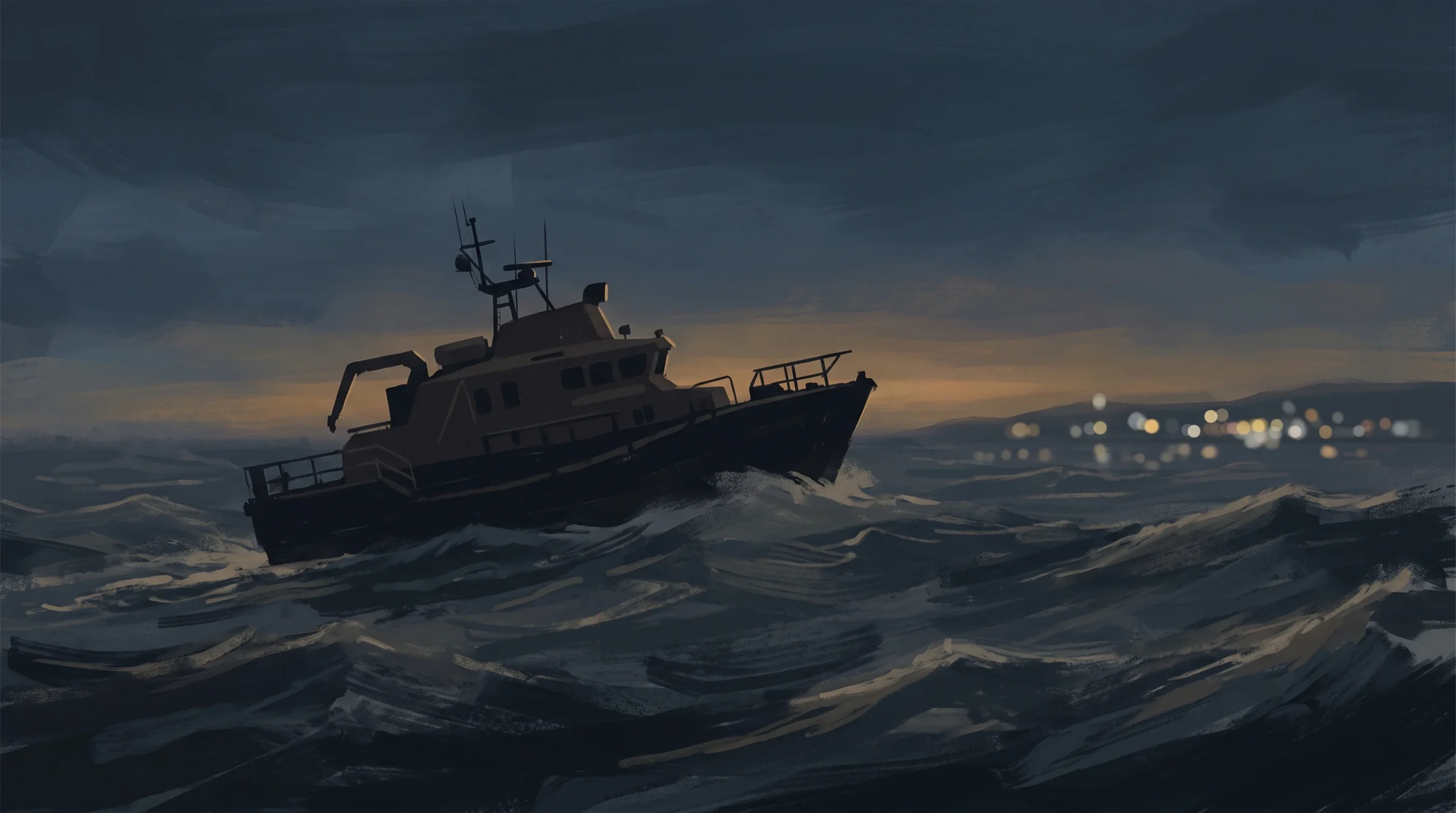
The Royal National Lifeboat Institution (RNLI) is seeking an urgent explanation from authorities after one of its lifeboats, carrying more than 100 rescued people, was reportedly denied entry to multiple South Coast ports on Sunday.
The charity confirmed it is working to “understand the decision to deny access” following the incident on 6 September. The vessel had intercepted a small craft in distress in the English Channel, taking over 100 migrants on board to ensure their safety.
Under international maritime law, specifically protocols set by the International Maritime Organization (IMO), rescued persons must be delivered to a “place of safety” at the earliest possible opportunity. However, reports indicate that several commercial ports on the South Coast refused to allow the lifeboat to dock, citing a lack of the specific security and processing infrastructure required by the Home Office.

The Home Office has maintained that Border Force is the lead agency for the processing of Channel arrivals and typically directs all such vessels to the primary hub at Dover. While Dover remains the designated landing point, the RNLI operates under a humanitarian mandate to rescue anyone in distress at sea, regardless of their status or the circumstances of their journey.
The delay meant the lifeboat, believed to be a Severn-class vessel—the largest in the RNLI fleet—was required to hold its position offshore with a significant number of people on board. While these lifeboats are designed for stability in heavy seas, they usually have a survivors’ capacity of approximately 50 to 70 people; carrying more than 100 puts additional pressure on the crew and the vessel’s facilities.
A spokesperson for the RNLI indicated that the charity is engaging with relevant government departments and port authorities to ensure that operational protocols are clear for future rescue missions. The incident has raised questions regarding the coordination between voluntary rescue services and border enforcement agencies during mass-rescue operations.
The RNLI receives no government funding for its search and rescue operations, meaning the additional fuel and staffing costs incurred during the delay must be met by the charity’s own resources.
According to reports on the rescue, the weather conditions at the time required the lifeboat to prioritise the immediate safety of those on the struggling small craft. The Maritime and Coastguard Agency (MCA) is responsible for coordinating the response to distress calls in UK waters, but the final decision on port entry often rests with local port authorities in consultation with the Home Office.
As of Monday, the Home Office has not provided a specific list of the ports involved but reiterated that Dover remains the primary facility equipped to handle the legal and medical screening of arrivals. The RNLI has stated that its priority remains the preservation of life at sea and the swift transfer of rescued individuals to shore-based authorities.