


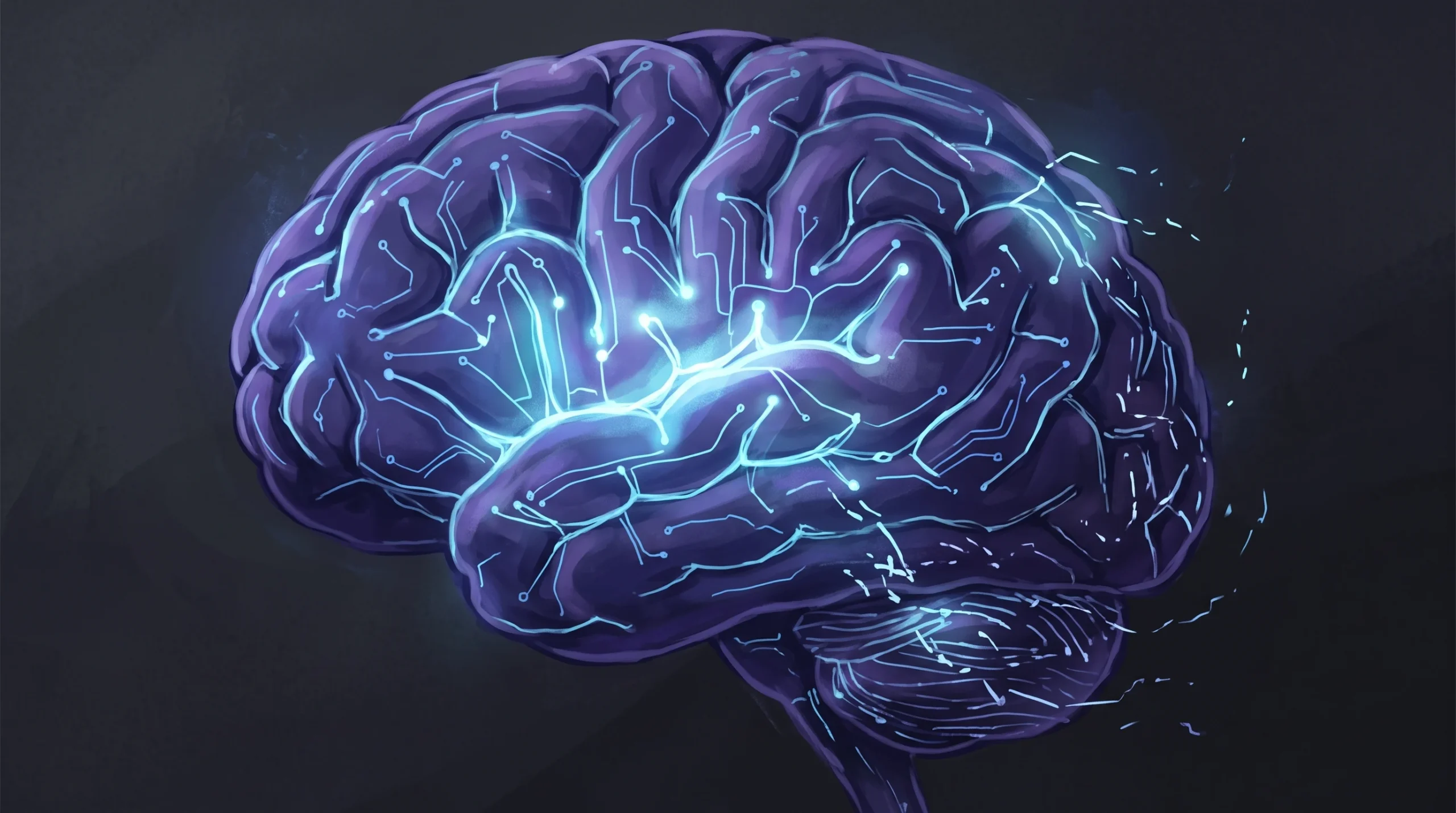
Concerns are being raised across the UK education sector that a growing reliance on artificial intelligence (AI) is impacting the development of students’ critical thinking skills.
The shift follows observations that outsourcing problem-solving and creativity to algorithms may affect the ability to process complex information independently. Educators have suggested that while AI can improve efficiency, using it as a substitute for original thought rather than a tool for enhancement may lead to a decline in human capability.
Classroom concerns and critical thinking
Evidence of this shift is already being reported within the UK education system. Data released in April 2026 by the National Education Union (NEU) revealed that 66% of secondary school teachers believe their pupils’ critical thinking skills have declined as a direct result of AI usage.
Teachers have noted that students are increasingly turning to generative AI for essay writing and problem-solving, potentially bypassing the independent effort necessary to form deep understanding of a subject.

Government guidance and digital standards
In response to the rapid integration of these technologies, the Department for Education (DfE) updated its guidance on “Using AI in education settings” in May 2026. The department has emphasised that while technology is a part of modern learning, human teachers must remain at the heart of the educational process to ensure pupils develop essential cognitive skills.
Under the updated framework, schools are required to meet six core digital standards by 2030. These standards are designed to ensure that AI is used safely and effectively without compromising the fundamental development of the child. For the 2026/27 academic year, the DfE has also introduced “Safe use of generative AI in education” modules, specifically aimed at helping parents and teachers navigate the boundary between helpful assistance and over-reliance.
The overarching advice from education specialists remains consistent: while AI can handle repetitive administrative tasks, the core processes of analysis and creative problem-solving should remain firmly in human hands to prevent the decline of our most essential cognitive skills.