



A major UK study involving nearly one million adults has found that drinking “very hot” beverages can triple the risk of a specific type of food pipe cancer. Researchers at Oxford Population Health have identified a significant link between the temperature of tea and coffee and the likelihood of developing oesophageal squamous cell carcinoma (SCC).
The research, which is the largest of its kind ever conducted in the UK, analysed data from 980,000 adults participating in the UK Biobank and the Million Women Study. The findings suggest that the physical damage caused by the heat of the liquid, rather than the contents of the drink itself, is the primary driver of the increased risk.
According to the data, individuals who described their drinks as “very hot” faced a three-fold increased risk of SCC compared to those who consumed “warm” beverages. Even those who drank their tea or coffee at a “hot” temperature saw their risk increase by 1.7 times.
Thermal damage and cancer subtypes
The study specifically identified a connection to squamous cell carcinoma, a type of cancer that begins in the flat cells lining the food pipe (oesophagus). Interestingly, the researchers found no significant association between drink temperature and adenocarcinoma, which is currently the more prevalent form of oesophageal cancer in the UK.
Oesophageal cancer affects approximately 9,500 people in Britain every year. While the relative risk of SCC is substantially higher for those who prefer very hot drinks, health experts noted that the absolute risk for the average person remains low. However, the International Agency for Research on Cancer (IARC) has previously classified beverages consumed above 65°C as “probably carcinogenic” due to the potential for thermal injury to the lining of the throat.

Practical steps for tea and coffee drinkers
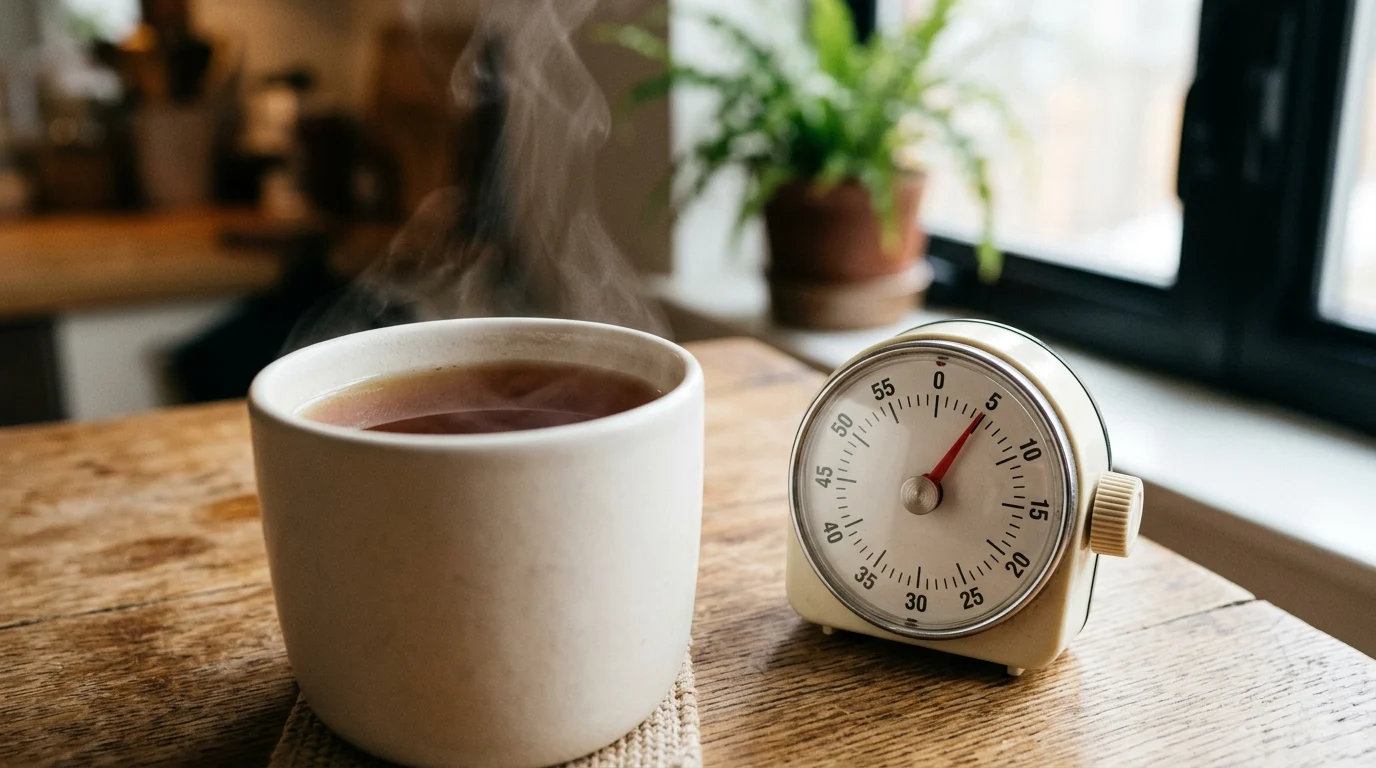
The findings provide clear practical guidance for the UK’s millions of tea and coffee drinkers. Researchers recommend two simple methods to lower the temperature of a beverage and reduce the risk of internal damage:
- The four-minute rule: Allowing a freshly brewed drink to sit for at least four minutes before the first sip can significantly reduce its temperature to a safer level.
- Adding milk: Pouring cold milk into tea or coffee is an effective way to immediately lower the liquid’s temperature, potentially negating the increased risk associated with heat.
Standard tea and coffee consumption in the UK is estimated to occur at around 60°C, which is generally considered within a safer threshold than the “very hot” levels identified in the study. The research, which was funded by Cancer Research UK, suggests that lifestyle habits—specifically how long we wait for a kettle to go off the boil—are more consequential than the frequency of drinking itself.
Experts advise that anyone experiencing persistent symptoms such as difficulty swallowing, unexplained weight loss, or persistent indigestion should contact their GP, as early detection of oesophageal cancer remains vital for successful treatment.