



The UK Health Security Agency (UKHSA) has released its latest Quarterly Epidemiological Commentary, revealing a significant 17.2% rise in Klebsiella species bacteraemia cases across England as of June 2026. The report, which covers mandatory surveillance of healthcare-associated infections, also confirms that MRSA infection rates have reached their highest level in 15 years.
The data, published on 14 September 2026, provides a detailed look at the prevalence of MRSA, MSSA, E. coli, and Clostridioides difficile (C. difficile) within the NHS. While some infection types have seen a slight decrease in hospital-acquired cases, the overall trend for several major pathogens remains a concern for health officials.

Trends in Bacterial Infections
The sharpest increase recorded in the June 2026 monthly snapshot was for Klebsiella species bacteraemia. National cases rose to 1,266, representing a 17.2% increase compared to June 2025. Klebsiella can cause a variety of healthcare-associated infections, including pneumonia, urinary tract infections, and bloodstream infections.
E. coli bacteraemia remains the most common infection monitored, with 3,804 cases reported in June 2026—a marginal increase of 0.7% from the previous year. However, the data highlights a distinction between where these infections originate. Hospital-onset healthcare-associated (HOHA) E. coli cases actually fell by 9.4% in the same period, suggesting that the overall growth in cases is being driven by community-onset infections rather than transmissions within hospital wards.
The report also notes a concerning trend for MRSA bacteraemia. The incidence rate recently reached 2.1 per 100,000 population, the highest recorded rate since 2011. NHS England continues to maintain a “zero-tolerance” policy regarding healthcare-associated MRSA bacteraemia, given the complexity of treating antibiotic-resistant strains.
National Incident Response
The UKHSA has designated the current rise in C. difficile infections as a “National Incident Response.” This status was implemented following sustained increases in infection rates, which require coordinated national monitoring and intervention to manage. C. difficile is a bacterium that can cause severe diarrhoea and is often associated with recent antibiotic use, which can disrupt normal gut flora.
These figures are classified as “accredited official statistics,” meaning they have been independently reviewed by the Office for Statistics Regulation to ensure they meet high standards of trustworthiness, quality, and public value.
Guidance for Patients and Visitors
University Hospitals Sussex NHS Foundation Trust, which serves Bognor Regis through St Richard’s Hospital in Chichester and Worthing Hospital, operates under the national infection control standards highlighted in the UKHSA report. To help manage the risk of transmission, the Trust maintains strict Infection Prevention and Control (IPC) guidance for all sites.
Visitors and patients are advised of the following practical measures to protect themselves and others:
- The 48-Hour Rule: Anyone who has experienced symptoms of diarrhoea or vomiting must wait at least 48 hours after their symptoms have completely disappeared before visiting a hospital.
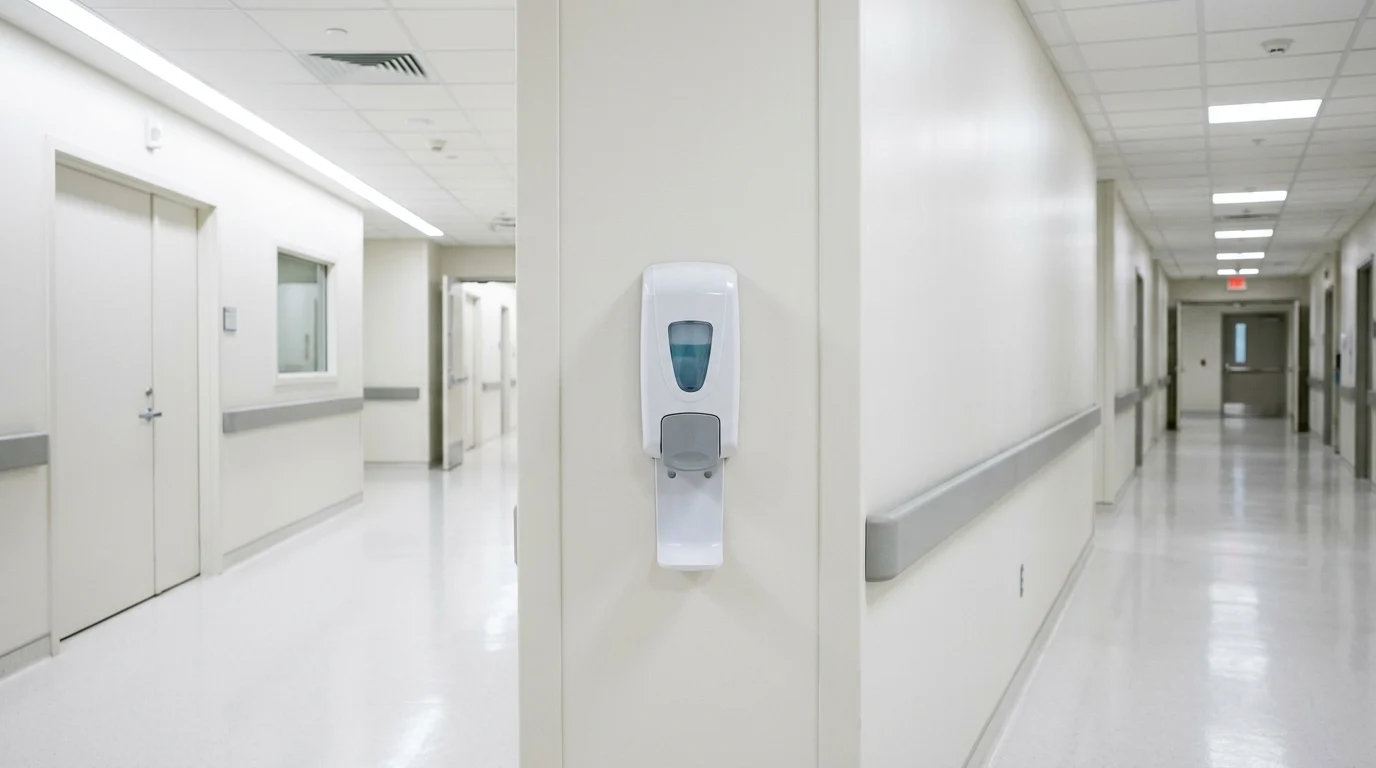
- Hand Hygiene: Good hand hygiene is the primary defence against spreading infections like C. difficile. Visitors should use the provided hand sanitisers when entering and leaving wards and wash their hands thoroughly with soap and water after any contact with a patient.
- Vulnerable Patients: Patients who are immunocompromised or particularly vulnerable should follow specific clinical advice provided by their care teams during hospital stays.
While the UKHSA report indicates that hospital-onset cases for certain infections like E. coli are declining, the rise in community-onset cases and the national alert for C. difficile underscore the ongoing need for rigorous hygiene protocols both inside and outside of clinical environments.