


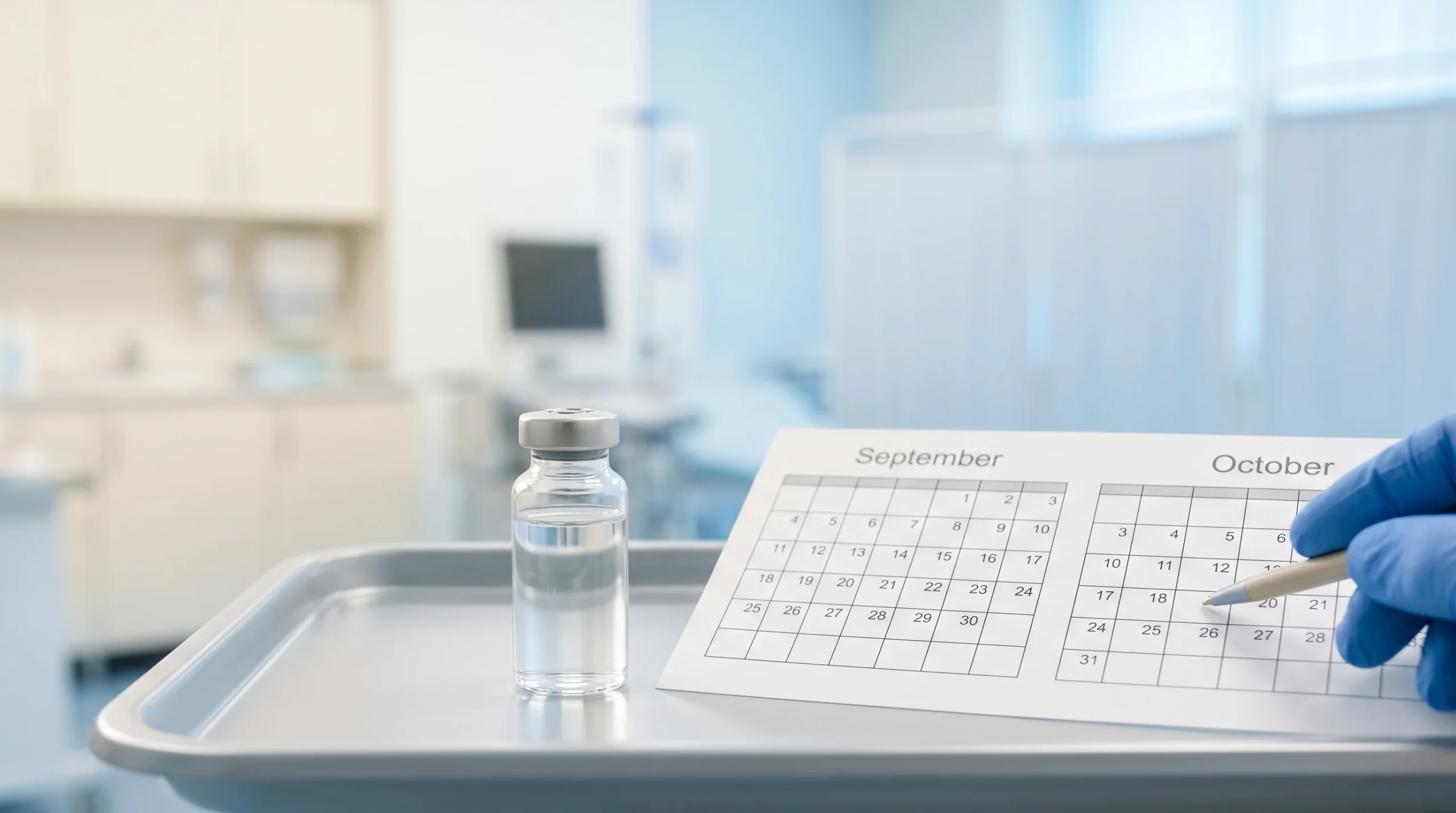
COVID-19 activity in the UK has shown a notable increase as health officials prepare for the upcoming autumn and winter respiratory season. According to the latest national surveillance report from the UK Health Security Agency (UKHSA), case indicators rose by approximately 23.5% during late August and early September.
The Week 37 report, which monitors virus levels up to 6 September 2026, indicates that while influenza remains at baseline levels, COVID-19 positivity is beginning to climb. This shift coincides with the phased rollout of the national vaccination programme, which aims to protect the most vulnerable before the peak of winter illness.


Vaccination eligibility and key dates
The 2026 autumn vaccination schedule has been designed to prioritise those at the highest risk of severe illness. The programme is currently being rolled out in two distinct phases:
From 1 September 2026: Eligibility opened for pregnant women and children aged two or three years old. These groups are now eligible for the free NHS flu vaccine to help prevent early-season spread.
From 1 October 2026: The main rollout begins for adults aged 65 and over, residents in care homes for older adults, and frontline health and social care workers. This date also marks the start of the COVID-19 autumn booster for eligible groups, including those with certain underlying health conditions that put them at higher risk.
Eligible individuals can book their appointments through the NHS App or the national booking service. Many people may be offered both the flu and COVID-19 vaccinations at the same time, depending on local clinical arrangements.
Early warning through AI monitoring
Health officials are also utilising new technology to track the spread of respiratory viruses. A joint study between the UKHSA and Sleep Cycle, published on 3 September 2026, has highlighted the potential of using AI-monitored “cough data” to predict surges.
The research suggests that anonymised audio data from apps can identify rising trends in respiratory symptoms approximately one week before they appear in clinical settings, such as GP appointments or hospital admissions. This early warning system is intended to provide health services with more time to manage capacity during the colder months.
While the UKHSA continues to monitor these trends, officials are encouraging all eligible people to take up the offer of vaccination when invited. Aside from vaccinations, the public is advised to follow standard hygiene practices, such as regular hand washing and staying at home if feeling unwell with a high temperature or respiratory symptoms, to help limit the spread of seasonal viruses.