


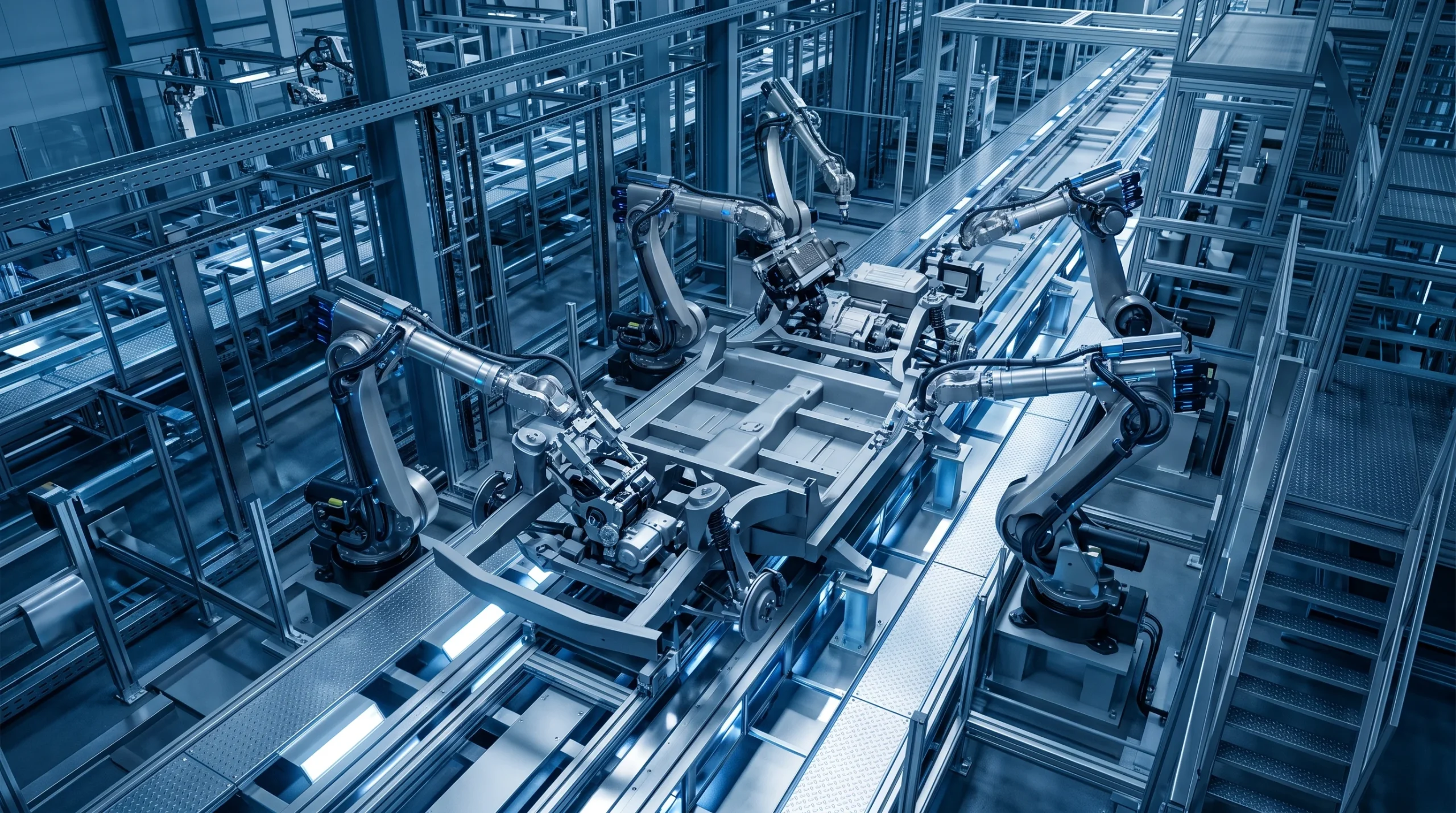
Europe’s automotive industry is facing its most significant transformation since the post-war era, as a combination of falling sales in China and high energy costs forces traditional manufacturers to look toward military contracts as a potential lifeline. For the first time in its 90-year history, Volkswagen is preparing to close factories in its home market, while competitors pivot toward a rapidly expanding European defence sector.
The shift comes as the European Parliament moves to accelerate military production. On 16 September 2026, the parliament approved the ‘Defence Omnibus’ package, a legislative move designed to fast-track permits for defence-related projects. Under the new rules, the waiting time for factory permits for military manufacturing has been slashed from an average of two years to just 42 days.
The automotive downturn
The scale of the crisis in the civilian car market is most evident at Volkswagen AG. Management and unions have reportedly agreed to a restructuring programme that will see 100,000 jobs cut by 2030. The company is currently planning the closure of four major manufacturing plants in Germany: Emden, Hanover, Neckarsulm, and Zwickau.
BMW has also felt the impact of a shifting global market, lowering its 2026 profit margin forecast to between 1% and 3%. This follows a sales decline of at least 30% in China, a territory that was previously a reliable engine of growth for European luxury brands. German Chancellor Friedrich Merz is now facing nationwide protests from automotive workers as the reality of the industrial downturn takes hold.

Pivoting to defence
As civilian demand falters, new opportunities for heavy industry are emerging within the defence sector, providing a significant incentive for car makers to repurpose their production lines.
Several major manufacturers have already begun the transition:
- Renault: The French manufacturer has partnered with defence firm Turgis Gaillard to produce 1,000 military drones per month. Production is scheduled to begin in 2027 at its Le Mans and Cléon plants.
- Jaguar Land Rover (JLR): The company is seeking to market military variants of its vehicles to NATO countries.
- UK Ministry of Defence (MoD) Contracts: A £900 million contract to replace the British Army’s light mobility vehicle fleet is currently being contested by JLR and Ford UK.
The move into defence marks a significant strategic departure for companies that have defined European industrial identity through civilian mobility for nearly a century. Whether the rearmament drive can fully offset the decline in the global car market remains to be seen as the first drone and light-tactical production lines begin to spin up in 2027.