


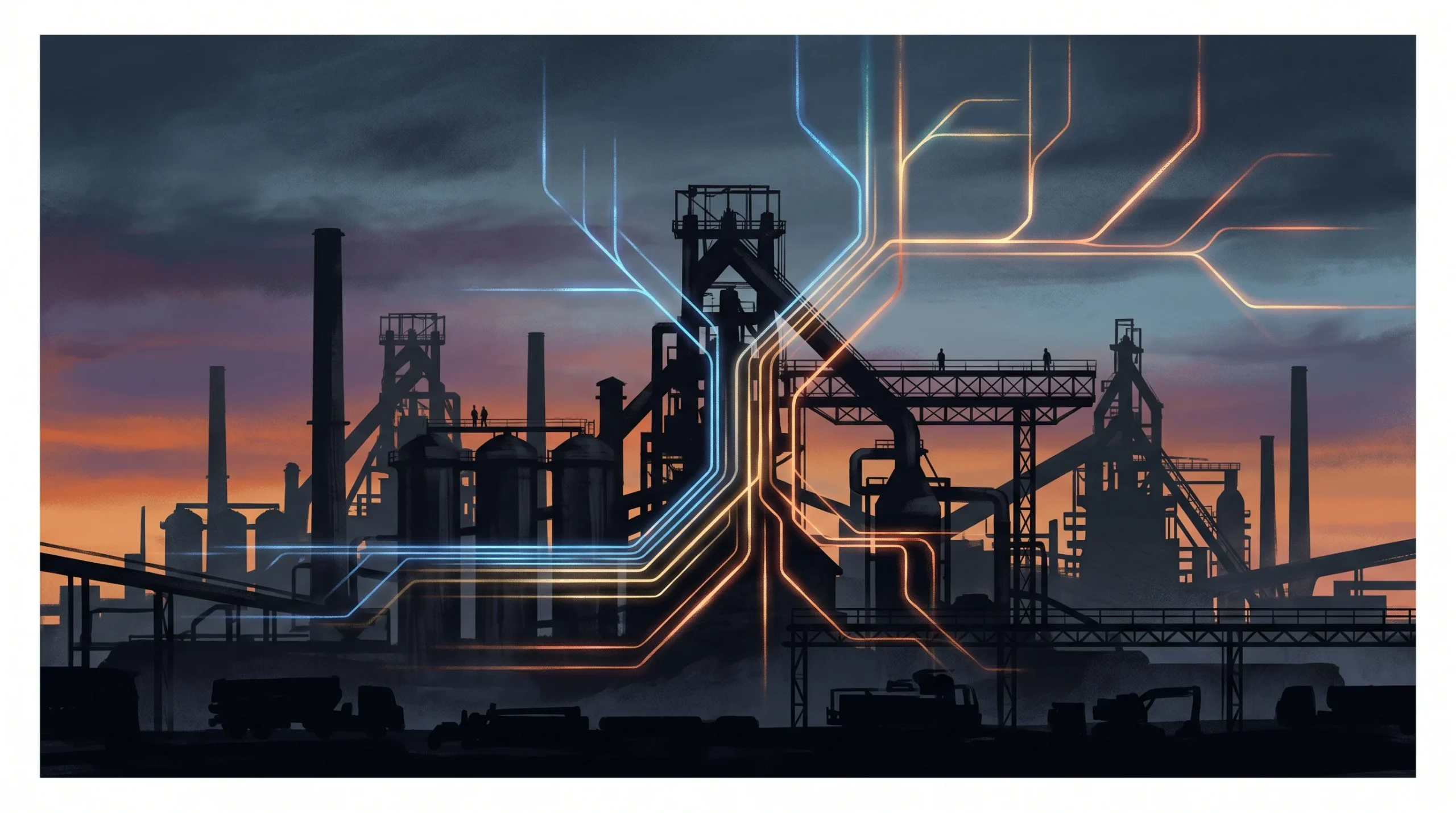
Tata Steel has approached the UK government for a fresh multimillion-pound support package as the timeline for its green transition in South Wales continues to face significant delays.
The steelmaker made the request to the Department for Business, Innovation, Science and Technology (DBIST) in September 2026, seeking additional financial backing beyond an existing £500m government grant. Business Secretary Jonathan Reynolds has reportedly been briefed on the approach, which comes as the industry grapples with rising costs and infrastructure challenges.
The fresh funding request is primarily driven by a shift in the commissioning date for the company’s new electric arc furnace (EAF) at Port Talbot. Originally intended to be operational by early 2028, the project is now expected to be delayed until late 2028 or early 2029.

Infrastructure hurdles and timeline shifts
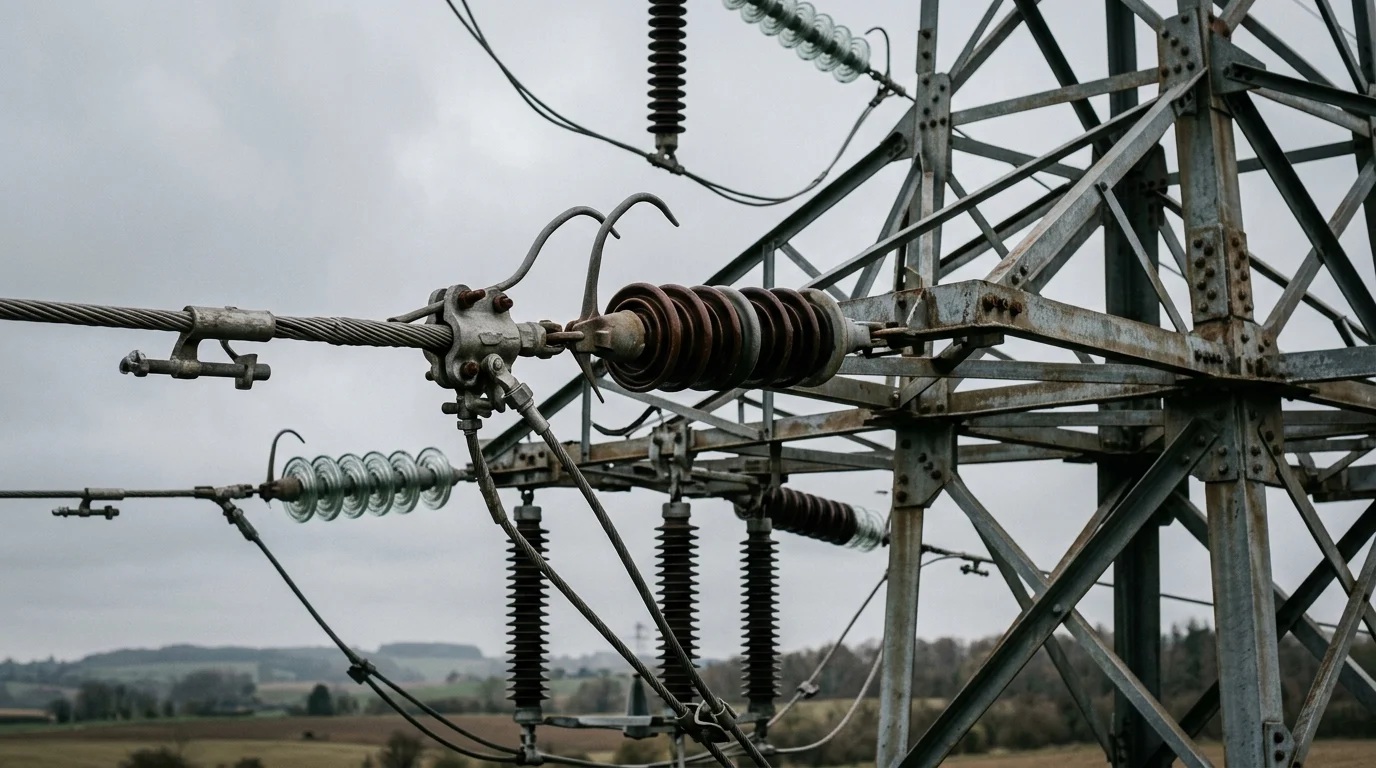
The delay is largely attributed to complications regarding National Grid connections. In mid-2026, reports identified that ground conditions and planning issues could result in a 6 to 12-month wait for the necessary electrical infrastructure. These grid-related setbacks have forced the steelmaker to revise its financial forecasts for the transition.
The transformation of the Port Talbot site is a central pillar of the UK’s industrial decarbonisation strategy. The “heavy end” of the plant, including Blast Furnace 4, was officially closed on 30 September 2024, marking the end of primary ironmaking at the site.
According to official records from Tata Steel UK, the closure was a necessary step to move towards a recycling-based model using electric arc technology, which melts scrap steel rather than producing virgin iron from ore.
Financial impact
The transition is part of a £1.25bn investment programme, which was previously supported by a £500m government grant agreed in 2023. While that deal was intended to be the final settlement for the project, the multimillion-pound funding request reflects the deepening financial pressure caused by the gap between the old furnaces closing and the new ones opening.
During this interim period, the UK remains reliant on imported steel substrates to supply its downstream finishing mills. Negotiations between Tata Steel and the UK government over the new funding request remain ongoing.