



Chancellor John Healey is facing a pivotal week as he prepares for the upcoming Autumn Budget, with economic analysis suggesting he must navigate two fundamental decisions defined by the escalating conflict in the Middle East.
With the UK’s fiscal stance for the coming year at stake, the Chancellor is reportedly balancing the immediate costs of international instability against a domestic need for growth. According to analysis published on 26 September 2026, the primary challenge remains the “longevity” of global economic pressures triggered by the Iran war.
The longevity of war pressures
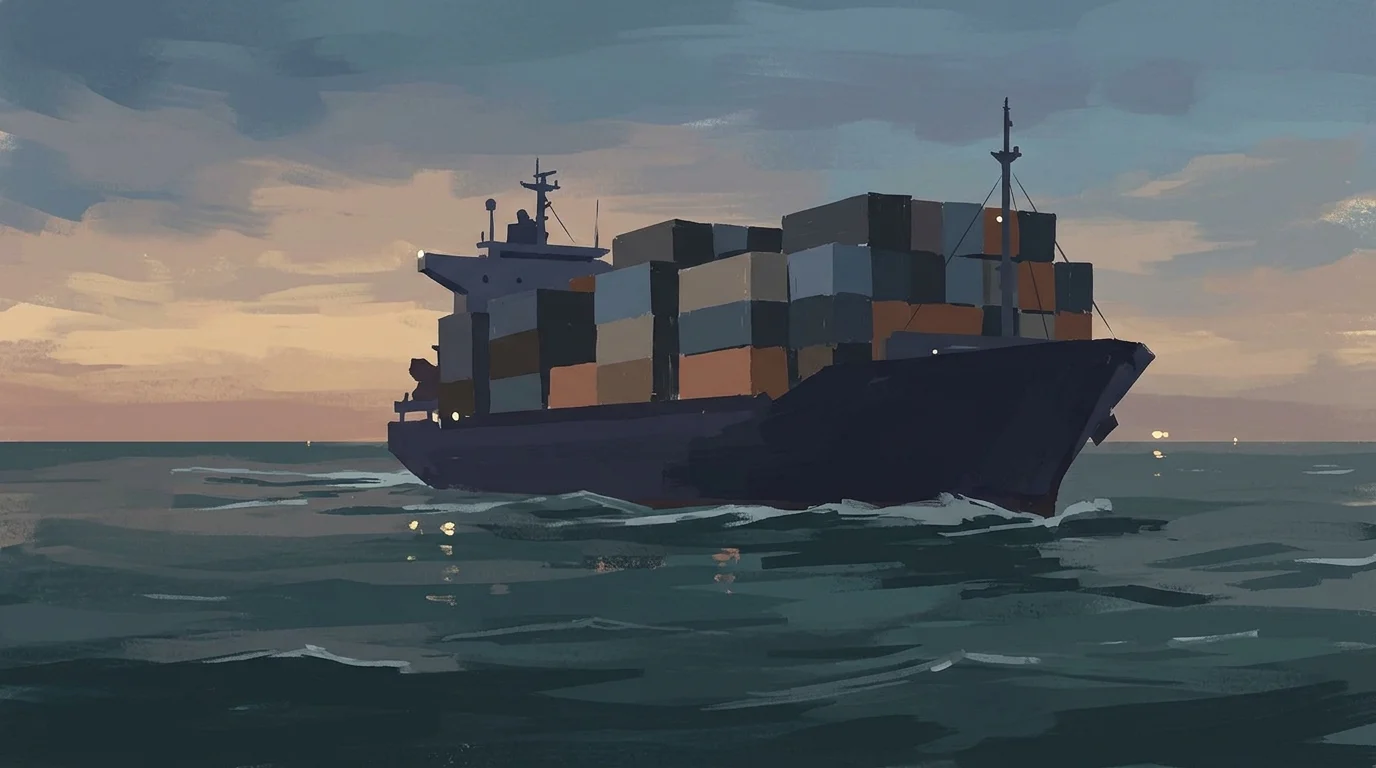
The first major decision facing the Treasury is how to account for the duration of current geopolitical shocks. Tensions in the Strait of Hormuz have created significant uncertainty for global trade, particularly affecting energy and shipping costs.
For the UK government, the difficulty lies in determining whether these pressures are a short-term spike or a long-term shift in the economic landscape. If the Chancellor treats the inflation as temporary, he may opt for different fiscal measures than if the war is expected to weigh on the UK economy for years to come.
Recent data has already shown the impact on domestic markets, with concerns over diesel prices and potential interest rate rises weighing on consumer confidence.

Sustaining ‘modest optimism’
The second critical decision involves the tone and strategy of the Budget itself. The Chancellor aims to maintain a sense of “modest optimism” in the UK markets despite the international conflict.
This requires a delicate balancing act: providing enough investment to signal growth while convincing the markets that the UK’s debt and spending remain under control. Following recent high-level international developments, including the fallout from the Trump-Xi summit, the Treasury is under pressure to ensure the UK remains a stable environment for investment.
The path to the Budget
While a specific date for the Autumn Budget statement has not been officially confirmed, it traditionally takes place in October or November. The decisions made this week will determine the government’s approach to several key areas:
- Defence Spending: Whether to increase military budgets in response to the Iran conflict.
- Energy Costs: The potential for new subsidies if the Strait of Hormuz situation continues to drive up fuel prices.
- Inflation Targets: How the Treasury and the Bank of England will coordinate to manage the “longevity” of price rises mentioned in recent analysis.
For now, the Chancellor’s strategy appears to be one of cautious stability. By addressing the longevity of the current crisis and attempting to insulate the domestic economy from the worst of the global volatility, the Treasury hopes to prevent the “modest optimism” currently seen in the markets from evaporating before the Budget is delivered.